

angry

Why Mental Health Experts Are Concerned about Sports Betting

As sports betting becomes more accessible and mainstream, mental health experts are raising concerns about its potential impact on emotional well-being. While casual betting can be a form of entertainment, consistent or impulsive gambling may lead to stress, financial strain, and addictive behavior. The growing popularity of offshore sports betting further complicates the issue, as these platforms often lack the safeguards and responsible gambling tools required by regulated markets. Without proper oversight, users may be more vulnerable to harmful patterns. Mental health professionals emphasize the importance of education, self-awareness, and setting clear boundaries when engaging in any form of betting.

The Risk of Gambling Addiction
addict

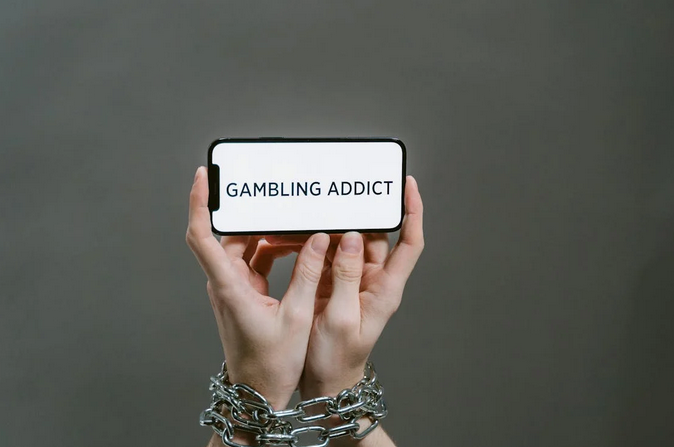
One of the most pressing concerns is the potential for gambling addiction. Sports betting can be particularly dangerous because of its fast-paced and repetitive nature. With in-play bets, micro-wagers, and constant access via smartphones, users can place dozens of bets in a short period without much time to reflect. This increases the risk of compulsive behavior, especially for those already prone to addiction. Mental health experts worry that the constant dopamine stimulation—similar to what occurs in substance abuse—can lead to loss of control, financial stress, and long-term emotional harm.

Targeting Younger and Vulnerable Audiences

The marketing strategies used by betting companies often target young adults, particularly through sports sponsorships, social media, and influencer promotions. Many of these individuals are new to financial independence and may not fully grasp the risks of gambling. This exposure, paired with easy access, creates a gateway for early-stage gambling habits to develop. Mental health professionals are particularly concerned about how the normalization of betting may shape the behaviors and decision-making of young people, putting them at higher risk for future mental health issues.

Impact on Anxiety, Depression, and Self-Esteem

failure

While some people may use betting as a way to enhance excitement during games, others use it as a coping mechanism to escape boredom, stress, or emotional pain. When losses occur—especially repeated or large ones—bettors may experience intense guilt, shame, and anxiety. These feelings can lead to or worsen mental health conditions like depression and low self-esteem. The unpredictable nature of betting outcomes also contributes to emotional instability, which can interfere with daily functioning and relationships.

The Illusion of Control and Escalation

Sports betting creates a false sense of control. Unlike games of pure chance, bettors often believe they can use knowledge, stats, or strategies to “beat the system.” While some skill is involved, outcomes remain uncertain. This illusion encourages continued betting, even after repeated losses. Mental health experts point out that this belief in control can lead to dangerous chasing behavior, where individuals bet more to recover what they’ve lost, often digging themselves into deeper emotional and financial holes.

While sports betting can be a form of entertainment for some, mental health experts warn that its growing popularity and accessibility pose serious risks. The potential for addiction, the emotional rollercoaster of wins and losses, and the targeting of vulnerable groups make it a public health concern. As the industry continues to expand, users must stay informed, set boundaries, and seek help if betting begins to negatively affect their mental well-being. What starts as a fun wager can quickly spiral into something more damaging without awareness and moderation.

couple

Less-Known Side Effects of Taking ED Medications

Nearly half of men who are 40 years of age or older suffer from erectile dysfunction. Due to its popularity, erectile dysfunction drugs, such as male enhancement products, are frequently used by men to treat their sexual health problems. Basically, the main goals of ED drugs are to increase blood flow to the penis, which will enhance sex life and sexual function.

But, as with most things, there’s a flip side to the story: potential adverse effects of taking an ED medication. Prescription medications are a one-size-fits-all answer to a very specific range of underlying issues that men deal with. In light of this, the following are some sex pill adverse effects to be aware of.

Noticeable Visual Changes

As a side effect of using medications for erectile dysfunction, there have been occasional reports of persons experiencing visual abnormalities. These visual changes might manifest in a variety of ways, such as fuzzy vision, light sensitivity, or difficulties differentiating between things that are blue and green. When you take an ED medication, your blood flow to a wide range of parts of your body increases suddenly through your veins. The frail blood vessels and delicate tissue surrounding the eyes could be adversely affected if this were to get to them. Additionally, you may be more likely to have serious side effects from taking an ED medication if you have inherited eye disorders.

Headaches

Another most frequent adverse effect of ED medications is headaches. Nitric oxide, which causes blood vessels in your body to expand and inflame and contributes to migraines, builds up in the bloodstream and is to blame for this. One in four men who take sildenafil (Viagra) report headaches as a side effect, most notably cluster headaches, citing a study published in the National Institutes of Health. These headaches come in waves that last weeks to months and can go into remission for a short while to years.

headache

Priapism

When a man uses phosphodiesterase type 5 (PDE-5) inhibitor medications for erectile dysfunction, priapism, a rare but harmful side effect, may arise. In order to promote blood flow, the oral drugs for sexual dysfunction relax the blood vessels in the penis and reduce blood pressure. An erection is the effect of this. After engaging in sexual activity or masturbating after taking these prescription medications, the erection does not disappear for men with priapism. Medical professionals should be concerned about the issue because it can be very crippling. Without medical help, this can exacerbate the effects of ED and damage penis tissue, leading to penile scarring.

Flushes

Flushes, or patches of redness on the skin are the most frequent adverse reaction to taking Viagra or other erectile dysfunction medications. In 30.8% of patients, it happens. Believe it or not, your face is where these red patches most frequently emerge. They can, however, also show up in other areas of your body. They might present as moderate or severe cases, including rashes and transient blotchy skin. Seek urgent medical assistance from a men’s clinic specializing in ED if you are suffering flushes and are unsure of the effects on your health.

Back Pain

Backaches are one of the negative effects of ED drugs, which may seem strange, but many men who experience erectile dysfunction also report experiencing lower back pain. Age is one justification for this. As a guy ages, his muscle mass and testosterone levels decrease. Loss of muscle mass can often result in decreased bodily strength and mobility restrictions. Typically, over-the-counter (OTC) drugs can reduce symptoms, but before trying something new, attempt to seek a doctor’s okay first.

You don’t have to struggle through erectile dysfunction or any common sexual problem on your own. There is help available. Just call your doctor and let see how your issue can be addressed.