

As sports betting becomes more accessible and mainstream, mental health experts are raising concerns about its potential impact on emotional well-being. While casual betting can be a form of entertainment, consistent or impulsive gambling may lead to stress, financial strain, and addictive behavior. The growing popularity of offshore sports betting further complicates the issue, as these platforms often lack the safeguards and responsible gambling tools required by regulated markets. Without proper oversight, users may be more vulnerable to harmful patterns. Mental health professionals emphasize the importance of education, self-awareness, and setting clear boundaries when engaging in any form of betting.
The Risk of Gambling Addiction
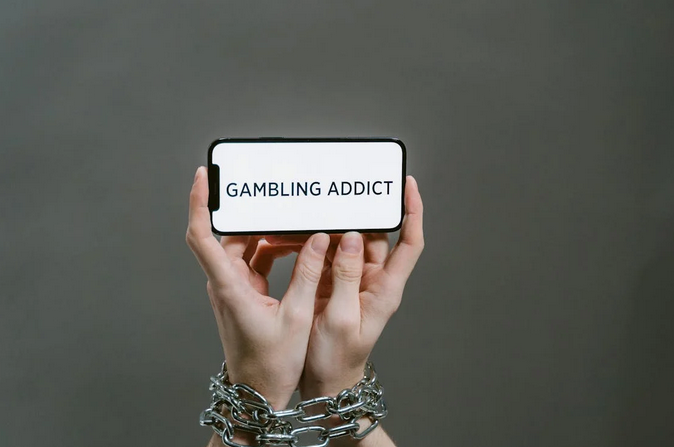
One of the most pressing concerns is the potential for gambling addiction. Sports betting can be particularly dangerous because of its fast-paced and repetitive nature. With in-play bets, micro-wagers, and constant access via smartphones, users can place dozens of bets in a short period without much time to reflect. This increases the risk of compulsive behavior, especially for those already prone to addiction. Mental health experts worry that the constant dopamine stimulation—similar to what occurs in substance abuse—can lead to loss of control, financial stress, and long-term emotional harm.
Targeting Younger and Vulnerable Audiences
The marketing strategies used by betting companies often target young adults, particularly through sports sponsorships, social media, and influencer promotions. Many of these individuals are new to financial independence and may not fully grasp the risks of gambling. This exposure, paired with easy access, creates a gateway for early-stage gambling habits to develop. Mental health professionals are particularly concerned about how the normalization of betting may shape the behaviors and decision-making of young people, putting them at higher risk for future mental health issues.
Impact on Anxiety, Depression, and Self-Esteem

While some people may use betting as a way to enhance excitement during games, others use it as a coping mechanism to escape boredom, stress, or emotional pain. When losses occur—especially repeated or large ones—bettors may experience intense guilt, shame, and anxiety. These feelings can lead to or worsen mental health conditions like depression and low self-esteem. The unpredictable nature of betting outcomes also contributes to emotional instability, which can interfere with daily functioning and relationships.
The Illusion of Control and Escalation
Sports betting creates a false sense of control. Unlike games of pure chance, bettors often believe they can use knowledge, stats, or strategies to “beat the system.” While some skill is involved, outcomes remain uncertain. This illusion encourages continued betting, even after repeated losses. Mental health experts point out that this belief in control can lead to dangerous chasing behavior, where individuals bet more to recover what they’ve lost, often digging themselves into deeper emotional and financial holes.
While sports betting can be a form of entertainment for some, mental health experts warn that its growing popularity and accessibility pose serious risks. The potential for addiction, the emotional rollercoaster of wins and losses, and the targeting of vulnerable groups make it a public health concern. As the industry continues to expand, users must stay informed, set boundaries, and seek help if betting begins to negatively affect their mental well-being. What starts as a fun wager can quickly spiral into something more damaging without awareness and moderation.